Spain: Europe’s Most Underestimated Summer Escape
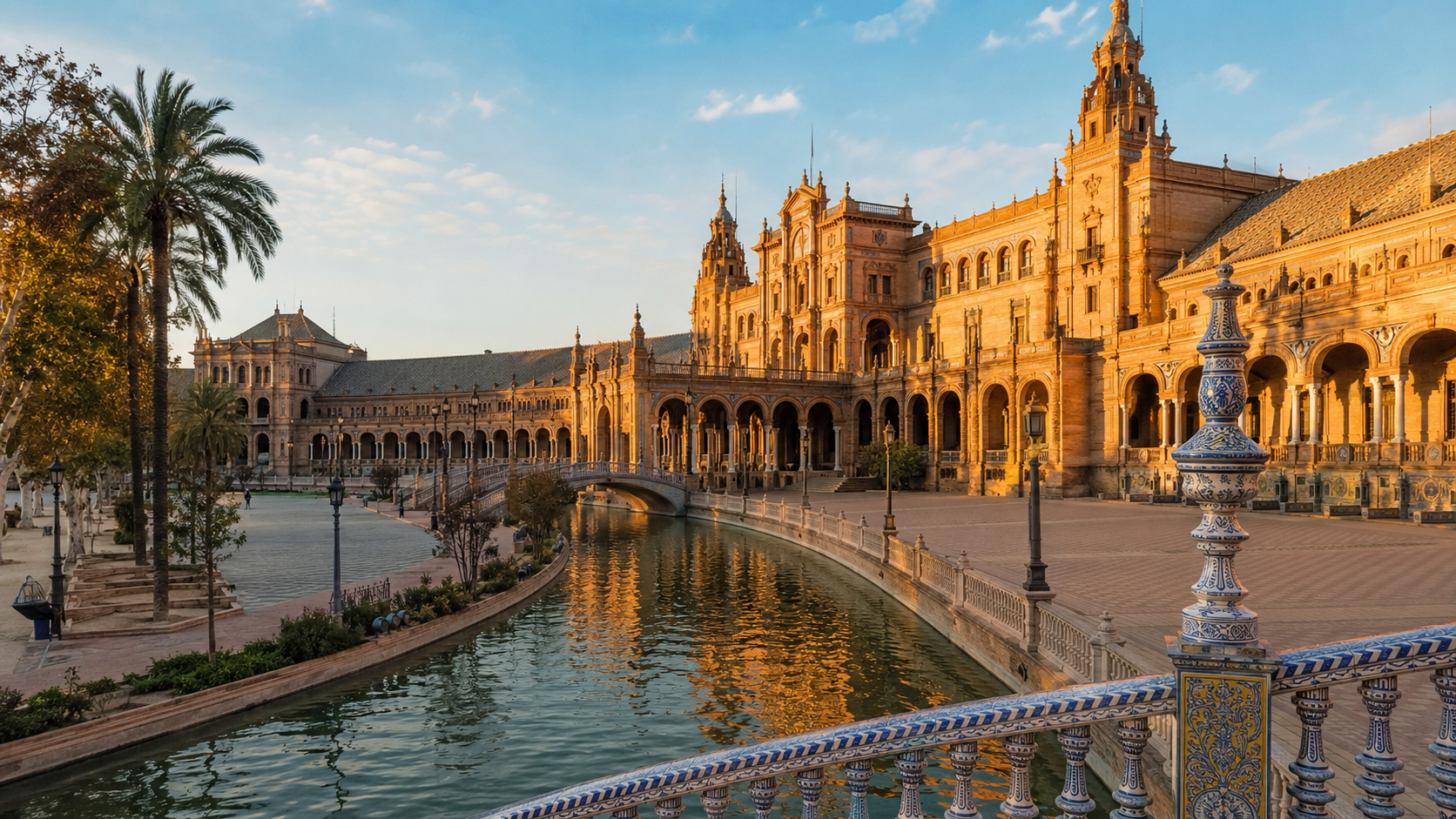
Spain doesn’t need an introduction. It’s famous. It’s accessible. It’s been on everyone’s radar for years. But here’s what most travellers miss: Spain in summer isn’t just about ticking boxes. It’s about long meals that start at 10 PM and end when the night does. It’s about discovering a city that reinvented itself completely (Valencia). It’s about understanding why people don’t just visit Spain; they move there. It’s about experiencing a country that somehow manages to be both world-famous and genuinely surprising at the same time.
Summer in Spain is when the country reveals itself fully. The weather is perfect. The energy is electric. The beaches are golden. The food is at its peak, and unlike many European summer destinations, Spain doesn’t feel overwhelmingly crowded in the places that matter.
Why Spain for Summer?
Spain has everything a summer destination needs and then some. World-class beaches on both the Mediterranean and Atlantic coasts. Cities that pulse with life and culture. Genuinely exceptional food, reliably excellent weather and a pace of life that’s actually slower than you’d expect, which is the whole point of summer travel.
The summer season (June to September) is when Spain becomes irresistible. Days are long, stretching until 10 PM. Temperatures sit comfortably in the 28 to 35 degrees Celsius range.
The Mediterranean sparkles. Outdoor dining becomes the default. Festivals happen constantly. Locals emerge from their air-conditioned hiding spots and reclaim the streets.
Spain also offers a remarkable range within a single country. You can be in Madrid’s world-class museums and restaurants. You can be in Barcelona’s Gothic Quarter, wandering mediaeval streets. You can be in Valencia, discovering a city most travellers overlook entirely; eating paella where paella was invented; and watching the Turia Gardens transform an old riverbed into the world’s most beautiful park. You can be on a beach. You can be in wine country. You can be in coastal villages where life moves at the speed of the Mediterranean.
And here’s what makes Spain different from other European summer destinations: it doesn’t feel expensive. Yes, you can spend money. But you don’t have to. A three-course meal with wine in a good restaurant costs less than a sandwich in some other European cities. A beer at a beachfront cafe is genuinely affordable. You can travel well in Spain without breaking your budget.
Madrid: Where Spain’s Energy Concentrates
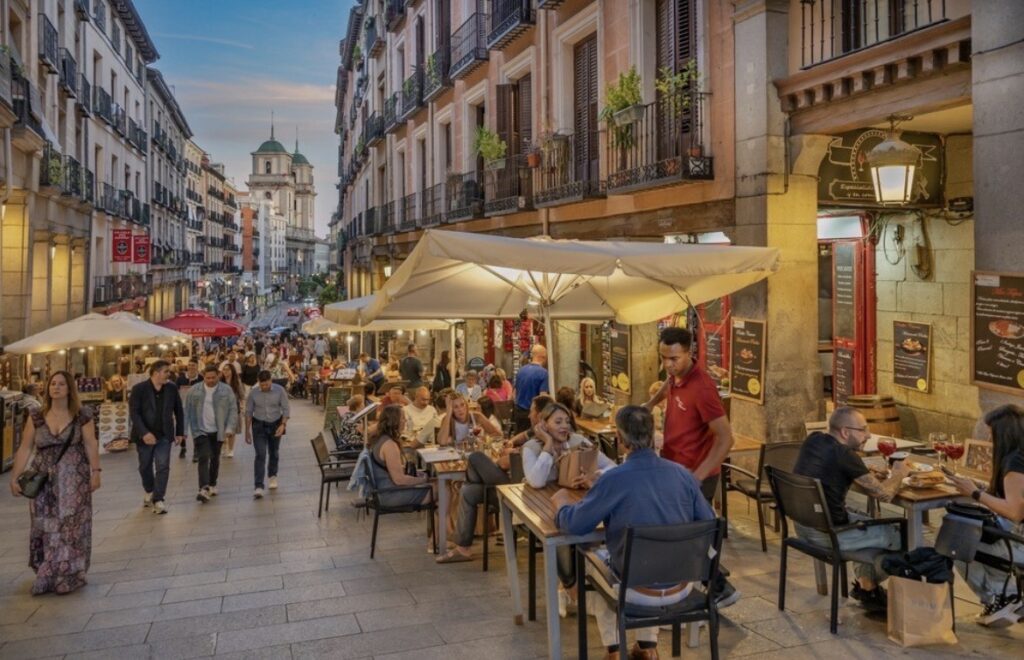
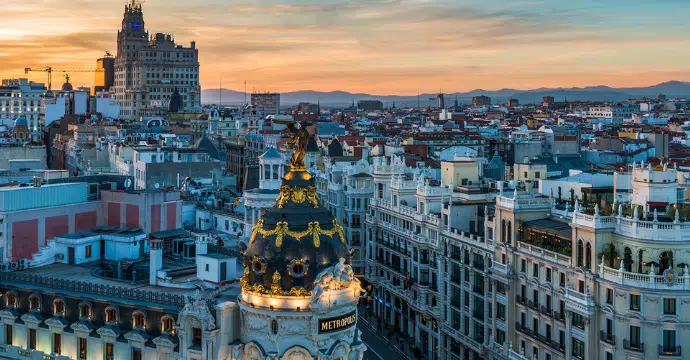
Madrid is Spain’s capital and its cultural heart. It’s a city that rewards wandering. The historic centre is walkable. The museums are world-class. The restaurants are genuinely excellent. The nightlife doesn’t start until 11 PM and doesn’t end until dawn.
Must-do experiences:
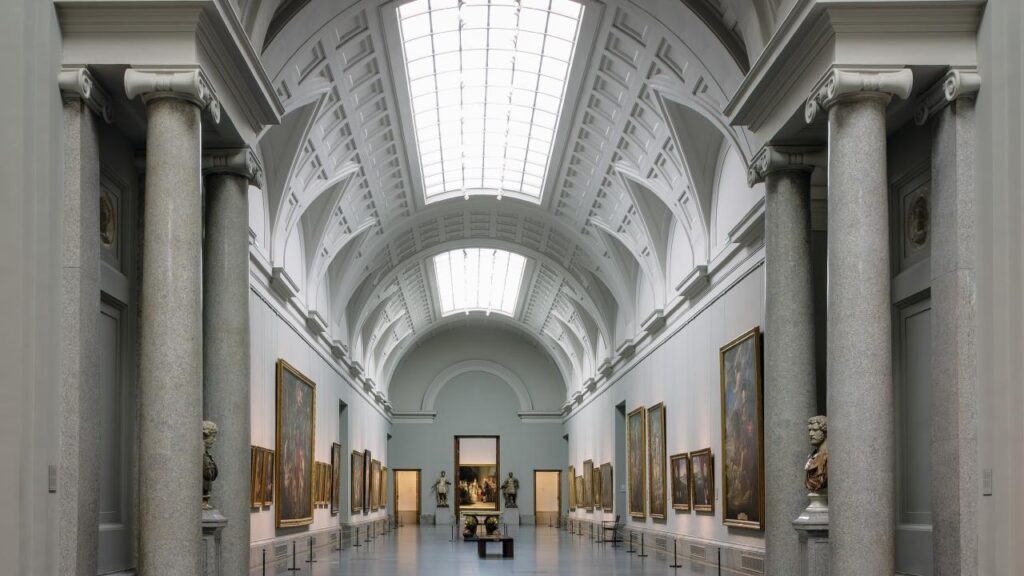
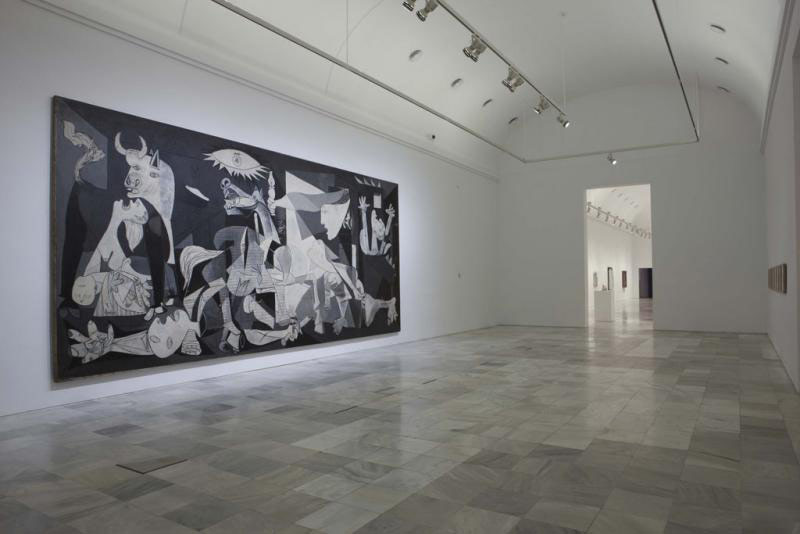
The Prado Museum houses Velázquez, Goya, and countless masters. Plan several hours minimum. The Reina Sofía Museum is home to Picasso’s Guernica and contemporary Spanish art. Retiro Park is a massive green space perfect for long walks, rowing boats, and people-watching. The Royal Palace is one of Europe’s largest palaces, and touring it gives you a perspective on Spanish history. Barrio de La Latina is the old mediaeval quarter with narrow streets, tapas bars, and the feel of old Madrid. The Gran Via is the grand boulevard lined with shops, cafes, and people.
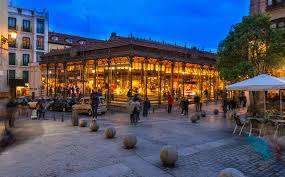
Food in Madrid:
Madrid’s restaurant scene is elite-level. But you’ll also find incredible tapas bars where locals gather, order a small plate, and chat for hours. Jamón iberico (cured Iberian ham) is available everywhere and worth trying multiple times. Croquetas are comfort food elevated. Mercado de San Miguel is a covered market full of vendors selling everything from jamón to fresh seafood to wine. It’s touristy but genuinely good.
Summer in Madrid means eating outside until late, drinking cold vermouth, and experiencing why madrileños consider their city the best place on earth.
Barcelona: The City Everyone Knows (And Should Still Visit)
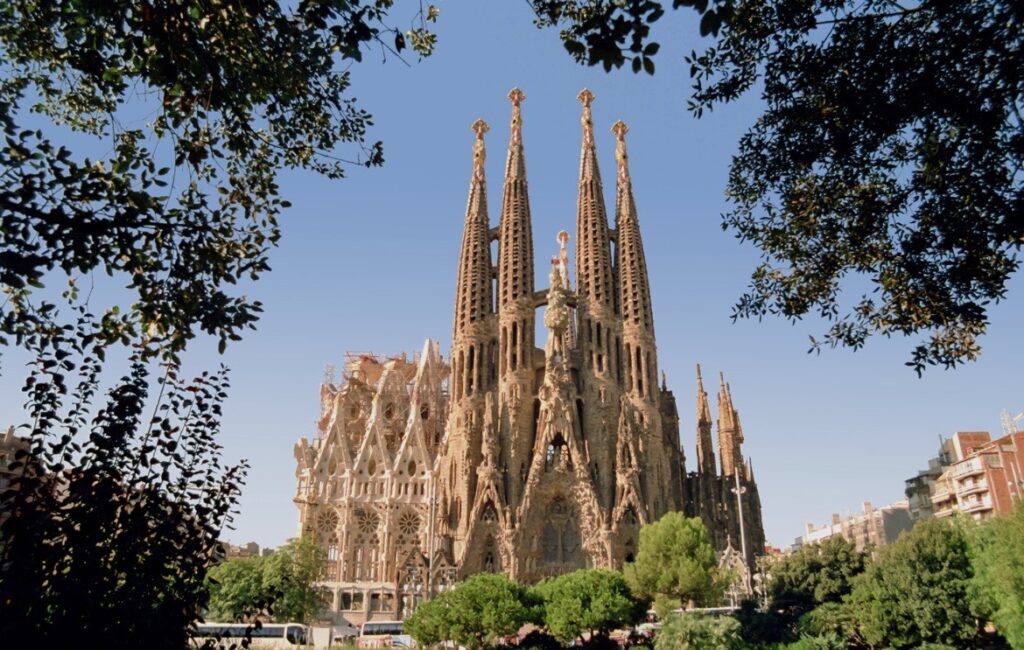
Barcelona gets more tourists than it probably wants. But it deserves the attention. It’s architecturally stunning. It’s culturally rich. It has excellent beaches. It has world-class food. And despite its fame, it still feels like a real city where real people live.
Must-do experiences:
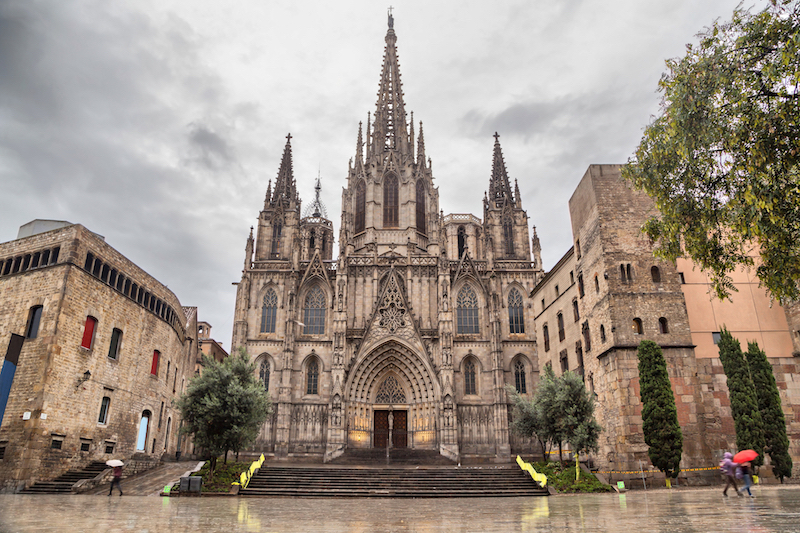
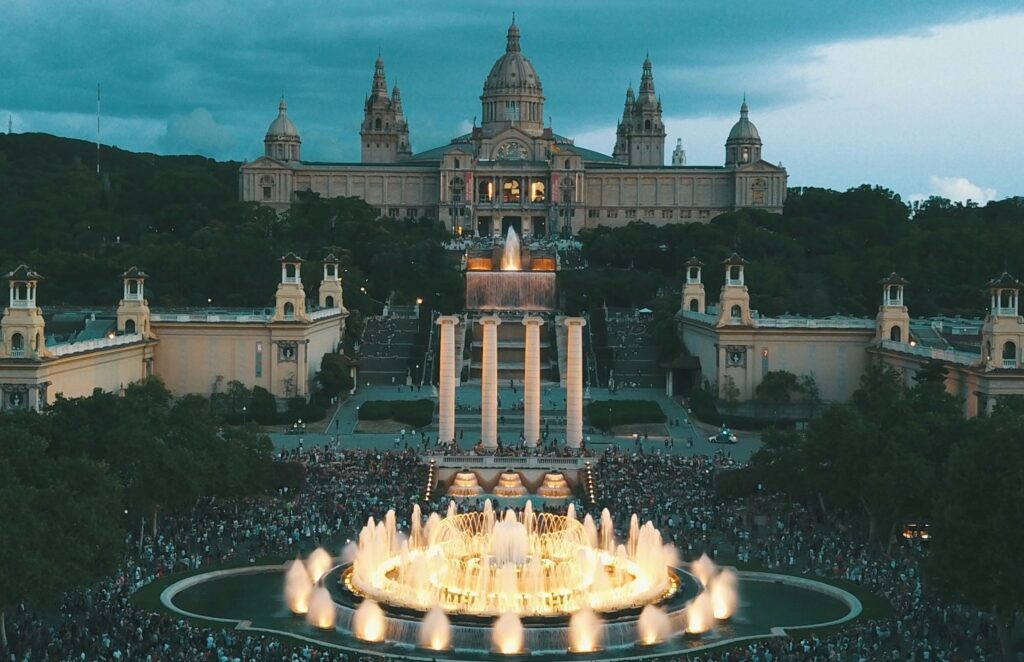
Sagrada Familia is Gaudí’s unfinished masterpiece, and it’s genuinely awe-inspiring, even knowing you’ll see thousands of other tourists there. Park Güell offers panoramic views of the city and more of Gaudí’s architectural genius. The Gothic Quarter (Barri Gòtic) is mediaeval Barcelona, with narrow streets and hidden plazas and Gothic architecture dating back centuries. Las Ramblas is the famous boulevard, touristy but worth understanding why. Montjuïc offers museums, views, gardens, and a different energy from the city centre. The beaches (Barceloneta, Mar Bella) are right in the city, sandy and Mediterranean.
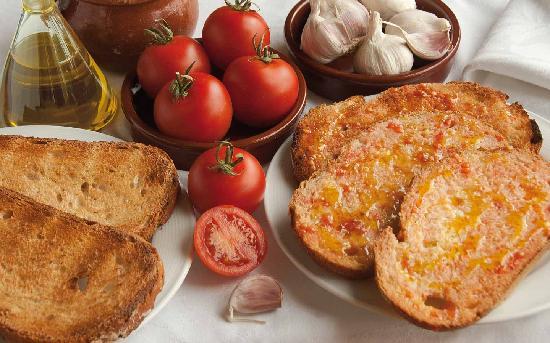
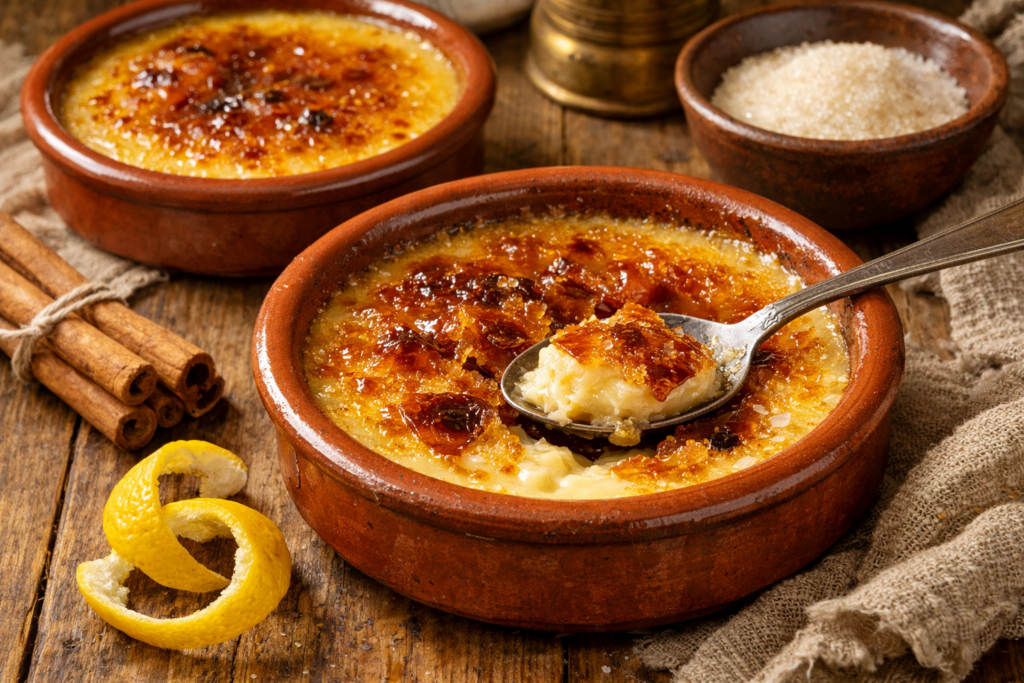
Food in Barcelona:
This is Catalonia, and Catalan food is distinct and excellent. Pa amb tomàquet (bread with tomato and oil) is simple and perfect. Escalivada (roasted vegetables) is summer on a plate. Seafood is exceptional. Calçots (a type of onion) are grilled and dipped in romesco sauce. Fresh seafood restaurants line the beach. Vermouth is a local obsession. Crema Catalana is the Catalan answer to crème brûlée.
Summer in Barcelona means beach days, tapas nights, architecture walks, and understanding why this city has been reinventing itself for centuries.
Valencia: The City Most Travelers Miss
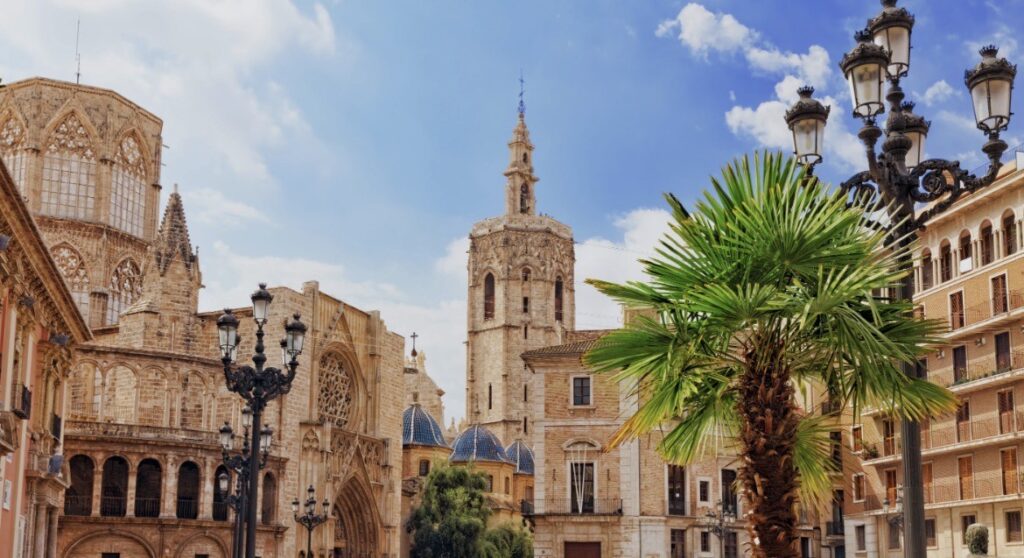
Here’s the secret: Valencia is where we send travellers who want Barcelona without Barcelona’s crowds. It’s a city that has completely rebuilt itself around culture and innovation. And it’s where paella was invented, which alone makes it worth visiting.
Must-do experiences:
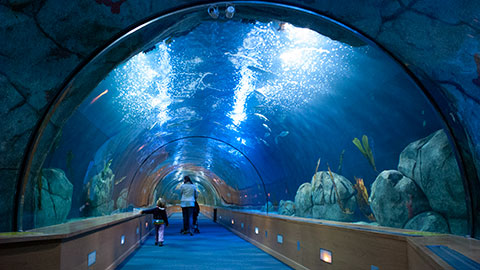
City of Arts and Sciences is a futuristic complex that looks like it landed from another planet. It’s an architectural theatre. The Oceanarium is one of the world’s best. The museums are modern and excellent. The whole complex is designed for wandering and photographing.
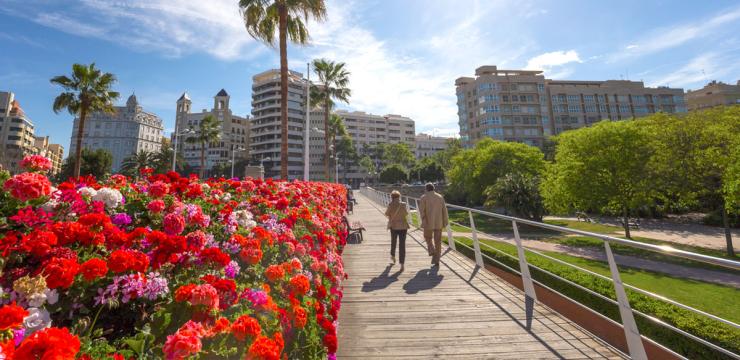
Turia Gardens is a nine-kilometre park built on a former riverbed. It’s the most beautiful urban park we’ve ever seen. You can walk or bike the entire length. It connects the old city to the new. Old Town (Barrio del Carmen) has Valencia’s mediaeval architecture, narrow streets, and excellent restaurants and bars. The beach (Playa de la Malvarrosa) has golden sand and is Mediterranean and less crowded than Barcelona’s beaches. Bioparc is a zoo designed without cages, where animals roam in naturalistic habitats.
Food in Valencia:
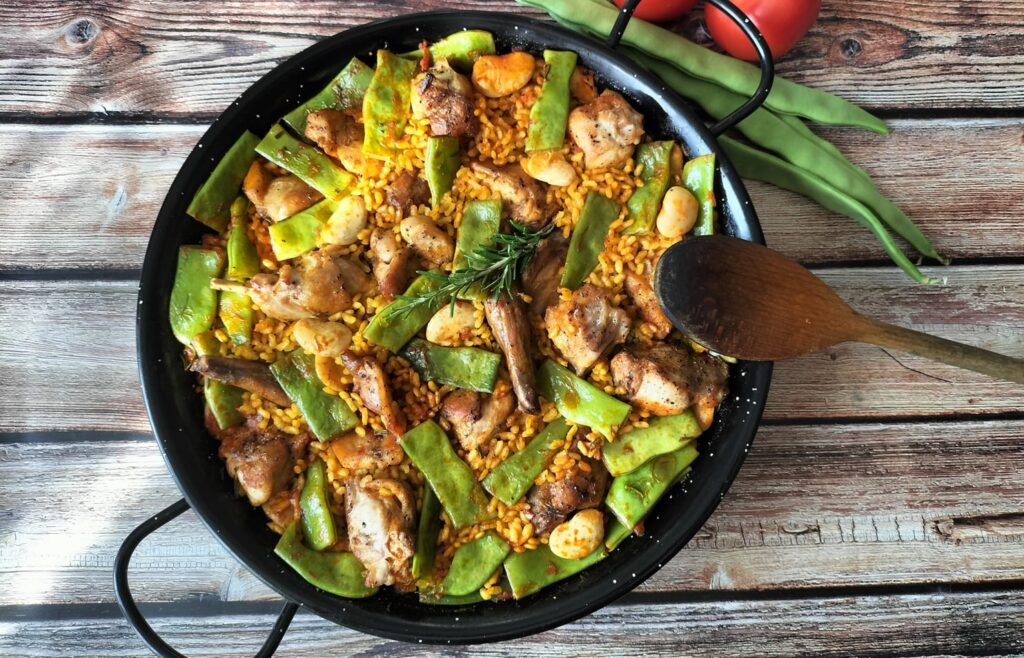
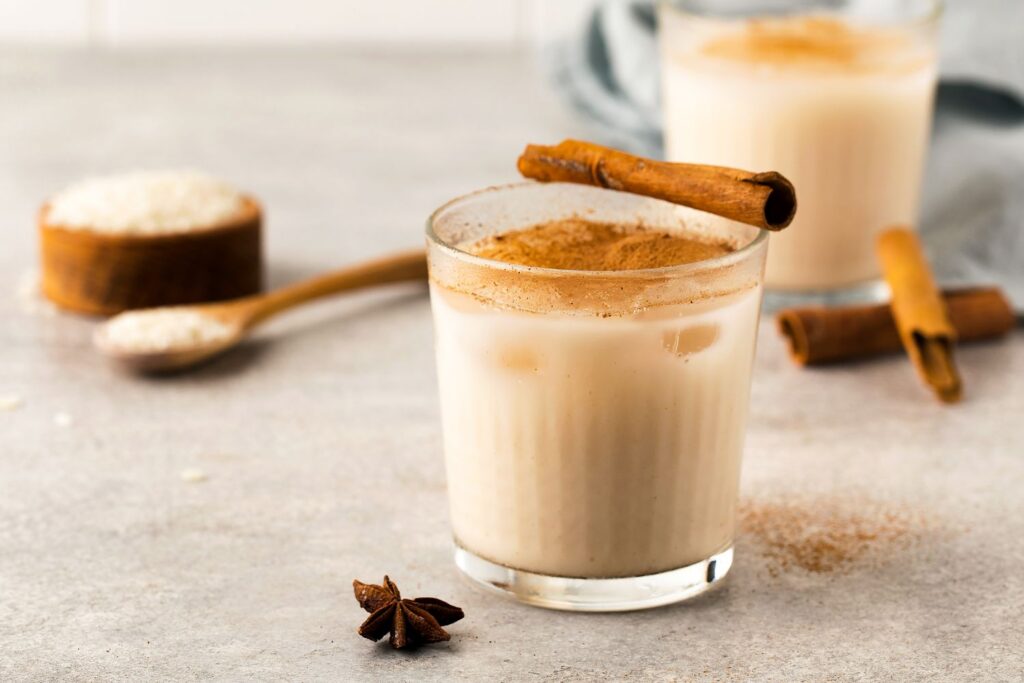
This is where paella happens. Arroz a banda, paella valenciana, seafood paella, meat paella. Every restaurant has a speciality. Eat paella for lunch (that’s when locals eat it). All Quisique is a famous paella restaurant. Horchatería Santa Catalina serves horchata (a sweet drink made from tiger nuts) that’s refreshingly cold on summer days. The Central Market (Mercado Central) is where locals shop, and it’s a sensory overload of colour, noise, and fresh produce.
Summer in Valencia means discovering a city that doesn’t feel like a tourist destination, eating paella where it’s meant to be eaten, walking through the Turia Gardens at sunset, and wondering why more travelers don’t know about this place.
Summer in Spain: Why It’s Different
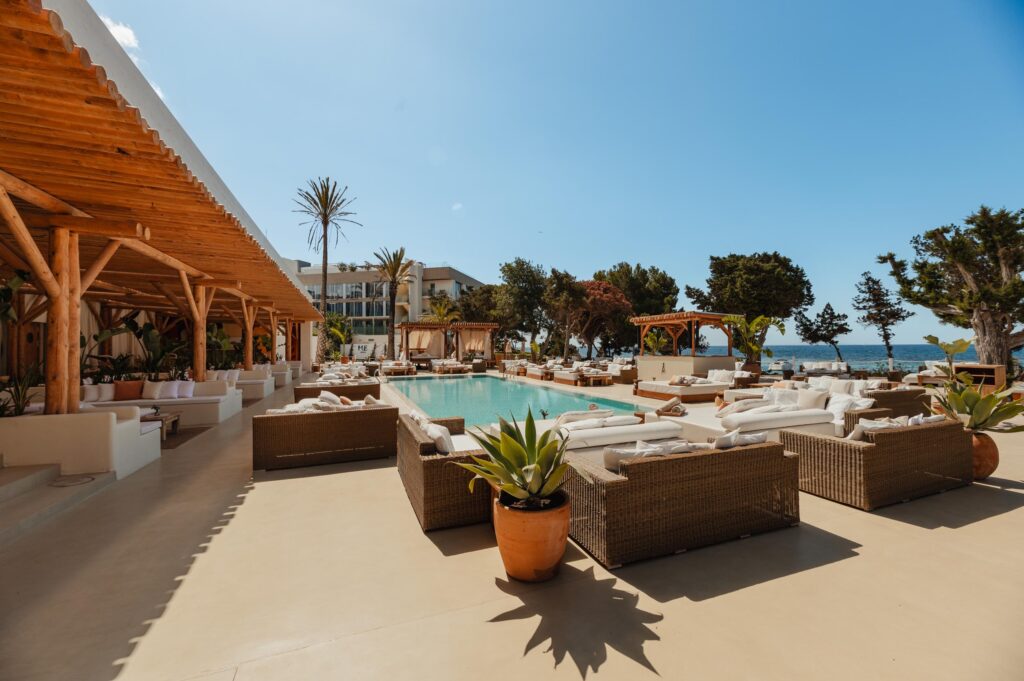
Summer in Spain isn’t about rushing through monuments. It’s about time moving differently. Lunch is long. Dinner happens late. People sit outside until the evening cools down. Bars serve cold drinks and small plates. Beaches are there, but they’re not the focus. The focus is experience, food, people, and light.
Spaniards invented the concept of enjoying life in summer. They take it seriously. They have a word for it: sobremesa. It means the time spent lingering at the table after a meal, talking and enjoying each other’s company. That’s the whole Spanish summer experience in one word.
The weather is reliably excellent. The beaches are golden. The food is at peak quality. The cities are electric. The cost is reasonable. You can move between cities easily. You can stay in one place and go deep. You can do both.
Best Time to Travel to Spain
Best time: May to September
June to August is peak summer. Long days, hot weather, perfect beach conditions. Prices are highest, and some tourist areas are crowded. July and August can exceed 35 degrees Celsius in Madrid.
Also excellent: May and September
Slightly cooler, fewer crowds, lower prices. Still excellent beach weather. September, especially, is perfect: summer weather without peak-season crowds.
Avoid: November to March
Cold, rainy, grey. Not summer. Not worth visiting for a summer trip.
How Much Does It Cost to Travel to Spain
Spain is moderately priced for Western Europe.
Budget traveller: USD 60 to 90 per day (budget hotels, local transport, mix of street food and casual restaurants).
Mid-range traveller: USD 120 to 200 per day (good hotels, restaurant meals, activities, and tours).
Luxury traveller: USD 250 to 400 per day (upscale hotels, fine dining, private guides, premium experiences).
Mid-range offers excellent value. You get comfort and culture without high cost.
Why Book With Afari Travels and Tours
Spain is navigable independently, but we know how to move through it efficiently. We know which restaurants are worth your time (not tourist traps). We know how to time museums to avoid crowds. We know neighbourhoods you won’t find in guidebooks. We know when to push and when to slow down. We understand Spanish culture deeply and can help you understand it too.
We handle the logistics: flights, accommodation, ground transport, tour bookings, and restaurant reservations. We build itineraries that let you experience all three cities without feeling rushed. We can add experiences like wine tastings, cooking classes, beach days, art workshops, or nightlife, depending on what excites you about the trip.
We also know how to balance the famous sites with the hidden gems. Yes, you’ll see Sagrada Familia. But we’ll also take you to plazas where locals actually gather. Yes, you’ll eat paella in Valencia, but we’ll also help you discover small restaurants where the owner’s grandmother cooks.
Most clients say having us as a guide meant experiencing Spain like a temporary local, not like a tourist checking boxes.
Ready to Experience Summer in Spain?
Spain is calling. Madrid’s energy, Barcelona’s culture, Valencia’s surprise, and Mediterranean beaches are waiting. Long meals, cold drinks, golden light, and the kind of summer that reminds us why travel matters.
Visit www.afaritravels.com to explore our Spain packages and see how we can design a summer in Spain that matches our style. Ready to dive in? Tell us more about what excites you about Spain, or book a free consultation with our Spain specialist. We’ll help you plan the summer trip that becomes the one you reference for years.
)
)